

You are using an out of date browser. It may not display this or other websites correctly.
You should upgrade or use an alternative browser.
You should upgrade or use an alternative browser.
Talkgroup ID's for Public Safety Communications Service - Manitoba
ve4ear
Member
I use DSD+ Fastlane

Mobby1-Kenobby
Member
- Joined
- Feb 3, 2015
- Messages
- 412
- Reaction score
- 219
Hi, there
I run Unitrunker on one of the site's voice channels to get the key IDs in use.
Anything known about the Super-group patch talk-group IDs in use, as to their range, total number and key IDs?
Cheers.
I run Unitrunker on one of the site's voice channels to get the key IDs in use.
Anything known about the Super-group patch talk-group IDs in use, as to their range, total number and key IDs?
Cheers.
ve4ear
Member
Unlike Harris systems, there are no system assigned talkgroup id's with Motorola systems. When a dispatcher creates a patch between 2 or more talkgroups, the Pathc (Supergroup) takes the id of the first talkgroup added to the patch. The system then broadcast the existence of this supergroup and its members frequently. So, there is no limit on supergroup IDs. All patches will use the same KID regardless of the KID's used on the individual talkgroups.
On a Harris system, each patch is assigned a system assigned temporary talkgroup ID (SAID) unique from all talkgroup ID's The system broadcasts the SAID and its member talkgroups frequently. Like the Motorola system, all the SAID talkgroups use the common system patch KID.
So for example, if a dispatcher on the Motorola system patches 42063 and 42050 in that order, the supergroup patch ID is 42063. If the dispatcher created the same patch but added 42050 and then 42063, the same patch supergroup ID would become 42050.
Most dispatch consoles have several predefined patches that are used often, these will always be set up the same way. However, if the dispatcher dynamically creates a patch, the supergroup id will be the ID of the first talkgroup added.
On Harris systems, the system engineer defines how many SAID can be assigned. For the City of Winnipeg, there is 200 possible SAID's and they are assigned more or less randomly for every patch or every simul-select broadcast.
On a Harris system, each patch is assigned a system assigned temporary talkgroup ID (SAID) unique from all talkgroup ID's The system broadcasts the SAID and its member talkgroups frequently. Like the Motorola system, all the SAID talkgroups use the common system patch KID.
So for example, if a dispatcher on the Motorola system patches 42063 and 42050 in that order, the supergroup patch ID is 42063. If the dispatcher created the same patch but added 42050 and then 42063, the same patch supergroup ID would become 42050.
Most dispatch consoles have several predefined patches that are used often, these will always be set up the same way. However, if the dispatcher dynamically creates a patch, the supergroup id will be the ID of the first talkgroup added.
On Harris systems, the system engineer defines how many SAID can be assigned. For the City of Winnipeg, there is 200 possible SAID's and they are assigned more or less randomly for every patch or every simul-select broadcast.
Do you have an updated PSCS list from the one posted on the first page of this thread?Unlike Harris systems, there are no system assigned talkgroup id's with Motorola systems. When a dispatcher creates a patch between 2 or more talkgroups, the Pathc (Supergroup) takes the id of the first talkgroup added to the patch. The system then broadcast the existence of this supergroup and its members frequently. So, there is no limit on supergroup IDs. All patches will use the same KID regardless of the KID's used on the individual talkgroups.
On a Harris system, each patch is assigned a system assigned temporary talkgroup ID (SAID) unique from all talkgroup ID's The system broadcasts the SAID and its member talkgroups frequently. Like the Motorola system, all the SAID talkgroups use the common system patch KID.
So for example, if a dispatcher on the Motorola system patches 42063 and 42050 in that order, the supergroup patch ID is 42063. If the dispatcher created the same patch but added 42050 and then 42063, the same patch supergroup ID would become 42050.
Most dispatch consoles have several predefined patches that are used often, these will always be set up the same way. However, if the dispatcher dynamically creates a patch, the supergroup id will be the ID of the first talkgroup added.
On Harris systems, the system engineer defines how many SAID can be assigned. For the City of Winnipeg, there is 200 possible SAID's and they are assigned more or less randomly for every patch or every simul-select broadcast.
ve4ear
Member
An updated list of what, Joe?
Your PSCS List.pdf file. Hoping maybe you had figured more stuff out and had an update. It listed a bunch of talkgroups and who they were.An updated list of what, Joe?
ve4ear
Member
Well that list was a lot of speculation mixed with some confirmed details. The only real update has been some clarity on the rural fire department talkgroup matrix. It is amazing what tidbits you can find online with your friend googles help.. For instance a rural municiupality had posted some training slides for their fire department. In it they explain that the radios have 3 zones of 16 channels.
Zone CH Display
A 1 MAD OPS
A 2 FIRE DEPT
A 3 RM FIRE
A 4 PROV FIRE
A 5 EMO OPS1
A 6 EMO OPS2
A 7 EMO OPS3
A 8 IAGE 1
A 9 IAGE 2
A 10 IAGE 3
A 11 IAGE 4
A 12 IAGE 5
A 13 IAGE 6
A 14 IAGE 7
A 15 IAGE 8
A 16 EMO SPX
Zone CH DISPLAY Zone CH DISPLAY
B 1 FIRE SIMPLEX C 1 SWAN RIVER
B 2 PROV FIRE C 2 TURTLE MOUNTAIN
B 3 ANTLER RIVER C 3 WEST CENTRAL
B 4 BOYNE RIVER C 4 LAKE WINNIPEG
B 5 EASTMAN C 5 HUDSON BAY
B 6 GRAND VALLEY C 6 CLEARWATER
B 7 WINNIPEGOSIS C 7 WILDFIRE 1
B 8 NEEPAWA C 8 WILDFIRE 2
B 9 NORTHEAST C 9 AIR ATTACK
B 10 NORTH INTERLAKE C 10 PROV FIRE
B 11 OAKLAKE C 11 GROUND S&R
B 12 PEMBINA TRIANGLE C 12 PROV SASK OPS
B 13 PEMBINA VALLEY C 13 PROV ONT OPS
B 14 RIDING MOUNTAIN C 14 CAN-US OPS 1
B 15 SOUTH CENTRAL C 15 CAN-US OPS 2
B 16 SOUTH INTERLAKE C 16 CAN-US OPS 3
Each fire department in the province then would likely have the same programming. Only the first 3 talkgroups in zone A would change.
ZA-Ch 1 - MAD OPS - Mutual Aid District Operations - It seems each MAD has 2 or three dispatch talkgroups. Here is where Brandon 911 communicates with the fire departments. During cutover I heard these referred to as Disptach A, Dispatch B, Dispatch C. You will find these talkgroups between 41200 - 41299
ZA-Ch 2 - Fire Dept. - This is each fire Departments private channel For example, The RM of Springfield has 3 fire departmenst, Oakbank, Anola and Transcona. Each will have their own unique talkgroup. in the range 41300-41599. The
ZA-Ch 3 - RM Fire - Each rural municipality or LGD will have a talkgroup in the range 41600-41799. In the above example Oakbank, Anola, and Transcona will all share the Springfield talkgroup.
You will notice that almost everything seems to have been assigned alphabetically. These are only my guesses based on seeing where radios affiliate and identifying those that broadcast in the clear on Interagency or Memo talkgroups. There is potential erros here so don't take this as 100% accurate. If you are outside the Winnipeg area, share your loggings from your local area and lets see if we can fill in the missing pieces.
Zone CH Display
A 1 MAD OPS
A 2 FIRE DEPT
A 3 RM FIRE
A 4 PROV FIRE
A 5 EMO OPS1
A 6 EMO OPS2
A 7 EMO OPS3
A 8 IAGE 1
A 9 IAGE 2
A 10 IAGE 3
A 11 IAGE 4
A 12 IAGE 5
A 13 IAGE 6
A 14 IAGE 7
A 15 IAGE 8
A 16 EMO SPX
Zone CH DISPLAY Zone CH DISPLAY
B 1 FIRE SIMPLEX C 1 SWAN RIVER
B 2 PROV FIRE C 2 TURTLE MOUNTAIN
B 3 ANTLER RIVER C 3 WEST CENTRAL
B 4 BOYNE RIVER C 4 LAKE WINNIPEG
B 5 EASTMAN C 5 HUDSON BAY
B 6 GRAND VALLEY C 6 CLEARWATER
B 7 WINNIPEGOSIS C 7 WILDFIRE 1
B 8 NEEPAWA C 8 WILDFIRE 2
B 9 NORTHEAST C 9 AIR ATTACK
B 10 NORTH INTERLAKE C 10 PROV FIRE
B 11 OAKLAKE C 11 GROUND S&R
B 12 PEMBINA TRIANGLE C 12 PROV SASK OPS
B 13 PEMBINA VALLEY C 13 PROV ONT OPS
B 14 RIDING MOUNTAIN C 14 CAN-US OPS 1
B 15 SOUTH CENTRAL C 15 CAN-US OPS 2
B 16 SOUTH INTERLAKE C 16 CAN-US OPS 3
Each fire department in the province then would likely have the same programming. Only the first 3 talkgroups in zone A would change.
ZA-Ch 1 - MAD OPS - Mutual Aid District Operations - It seems each MAD has 2 or three dispatch talkgroups. Here is where Brandon 911 communicates with the fire departments. During cutover I heard these referred to as Disptach A, Dispatch B, Dispatch C. You will find these talkgroups between 41200 - 41299
ZA-Ch 2 - Fire Dept. - This is each fire Departments private channel For example, The RM of Springfield has 3 fire departmenst, Oakbank, Anola and Transcona. Each will have their own unique talkgroup. in the range 41300-41599. The
ZA-Ch 3 - RM Fire - Each rural municipality or LGD will have a talkgroup in the range 41600-41799. In the above example Oakbank, Anola, and Transcona will all share the Springfield talkgroup.
You will notice that almost everything seems to have been assigned alphabetically. These are only my guesses based on seeing where radios affiliate and identifying those that broadcast in the clear on Interagency or Memo talkgroups. There is potential erros here so don't take this as 100% accurate. If you are outside the Winnipeg area, share your loggings from your local area and lets see if we can fill in the missing pieces.
Attachments
My methods are much less sophisticated than yours...I tend to let op25 run for a day or so, then I take a screenshot of the talkgroups and tgid's and descriptions and save them in case something comes up on the news in Pembina Valley Online which might give me some idea who is talking. I haven't been recording the radio id's as frequently as I used to. I run this on a Debian Linux system. I also run a database spreadsheet program called LibreOffice where I record new TGID's that popup and occasionally the radio Id's associated with them.Well that list was a lot of speculation mixed with some confirmed details. The only real update has been some clarity on the rural fire department talkgroup matrix. It is amazing what tidbits you can find online with your friend googles help.. For instance a rural municiupality had posted some training slides for their fire department. In it they explain that the radios have 3 zones of 16 channels.
Zone CH Display
A 1 MAD OPS
A 2 FIRE DEPT
A 3 RM FIRE
A 4 PROV FIRE
A 5 EMO OPS1
A 6 EMO OPS2
A 7 EMO OPS3
A 8 IAGE 1
A 9 IAGE 2
A 10 IAGE 3
A 11 IAGE 4
A 12 IAGE 5
A 13 IAGE 6
A 14 IAGE 7
A 15 IAGE 8
A 16 EMO SPX
Zone CH DISPLAY Zone CH DISPLAY
B 1 FIRE SIMPLEX C 1 SWAN RIVER
B 2 PROV FIRE C 2 TURTLE MOUNTAIN
B 3 ANTLER RIVER C 3 WEST CENTRAL
B 4 BOYNE RIVER C 4 LAKE WINNIPEG
B 5 EASTMAN C 5 HUDSON BAY
B 6 GRAND VALLEY C 6 CLEARWATER
B 7 WINNIPEGOSIS C 7 WILDFIRE 1
B 8 NEEPAWA C 8 WILDFIRE 2
B 9 NORTHEAST C 9 AIR ATTACK
B 10 NORTH INTERLAKE C 10 PROV FIRE
B 11 OAKLAKE C 11 GROUND S&R
B 12 PEMBINA TRIANGLE C 12 PROV SASK OPS
B 13 PEMBINA VALLEY C 13 PROV ONT OPS
B 14 RIDING MOUNTAIN C 14 CAN-US OPS 1
B 15 SOUTH CENTRAL C 15 CAN-US OPS 2
B 16 SOUTH INTERLAKE C 16 CAN-US OPS 3
Each fire department in the province then would likely have the same programming. Only the first 3 talkgroups in zone A would change.
ZA-Ch 1 - MAD OPS - Mutual Aid District Operations - It seems each MAD has 2 or three dispatch talkgroups. Here is where Brandon 911 communicates with the fire departments. During cutover I heard these referred to as Disptach A, Dispatch B, Dispatch C. You will find these talkgroups between 41200 - 41299
ZA-Ch 2 - Fire Dept. - This is each fire Departments private channel For example, The RM of Springfield has 3 fire departmenst, Oakbank, Anola and Transcona. Each will have their own unique talkgroup. in the range 41300-41599. The
ZA-Ch 3 - RM Fire - Each rural municipality or LGD will have a talkgroup in the range 41600-41799. In the above example Oakbank, Anola, and Transcona will all share the Springfield talkgroup.
You will notice that almost everything seems to have been assigned alphabetically. These are only my guesses based on seeing where radios affiliate and identifying those that broadcast in the clear on Interagency or Memo talkgroups. There is potential erros here so don't take this as 100% accurate. If you are outside the Winnipeg area, share your loggings from your local area and lets see if we can fill in the missing pieces.
ve4ear
Member
I have been using both Unitrunker and DSDPlus FastLane. Unitrunker is amazing at recording history. I can see every radio ID active on a talkgroup going back 5+ years. I can track which talkgroups a radio used or see what radios used a certain talkgroup. DSD is useful for decoding clear Phase 1 transmissions (unencrypted) and recording them. It also gives me a record of the encryption KID's used. Those two packages plus lots of time going through data files.My methods are much less sophisticated than yours...I tend to let op25 run for a day or so, then I take a screenshot of the talkgroups and tgid's and descriptions and save them in case something comes up on the news in Pembina Valley Online which might give me some idea who is talking. I haven't been recording the radio id's as frequently as I used to. I run this on a Debian Linux system. I also run a database spreadsheet program called LibreOffice where I record new TGID's that popup and occasionally the radio Id's associated with them.
Mobby1-Kenobby
Member
- Joined
- Feb 3, 2015
- Messages
- 412
- Reaction score
- 219
Hi, all
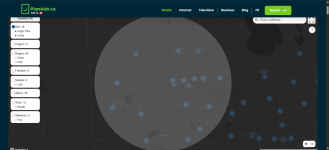
This may be a useful tool for finding some of the locations of the radio sites. I selected only Bell sites in Manitoba to see all of their sites.
Canadian Cellular Network and Tower Maps in 2025
Cheers.
This may be a useful tool for finding some of the locations of the radio sites. I selected only Bell sites in Manitoba to see all of their sites.
Canadian Cellular Network and Tower Maps in 2025
Cheers.

kayn1n32008
ØÆSØ Say it, say 'ENCRYPTION'
Many methods have/are used to figure out AFRRCS, even the encrypted stuff. Some of it just luck.How could those Albertans find that out with just a SDR if it is encrypted? One way I can think of is if you can get close enough to them when they are transmitting, monitor the input frequency with GQRX and when you see a transmission happening check OP25 to see what TGID is active. Might need two SDRs for that.
Like my user name 😁The Manitoba RCMP unit Alias data will be unit IDs seen on the sides and rear of their vehicles.
Winnipeg unit 5A97
Emerson unit 2A103
The Pas unit 7C32
Portage La Prairie unit 2A80
Portage La Prairie unit 2A134
Screenshots of some units.
These are not in order bit these are what I've picked up lately. 31100 sounded like school division, not sure which one. No audio for anything else. Figured I'd give a small update.
Also, I believe this system is setup in similar fashion to the Saskatchewan system, with redundancies built in place. Meaning I can sit in Regina and hear Moose Jaw, Swift Current and Moosomin.
6275
26360
1915
1711
1776
31100
1004
40039